
Chevrolet Silverado vs. the Sierra: Which is Better?
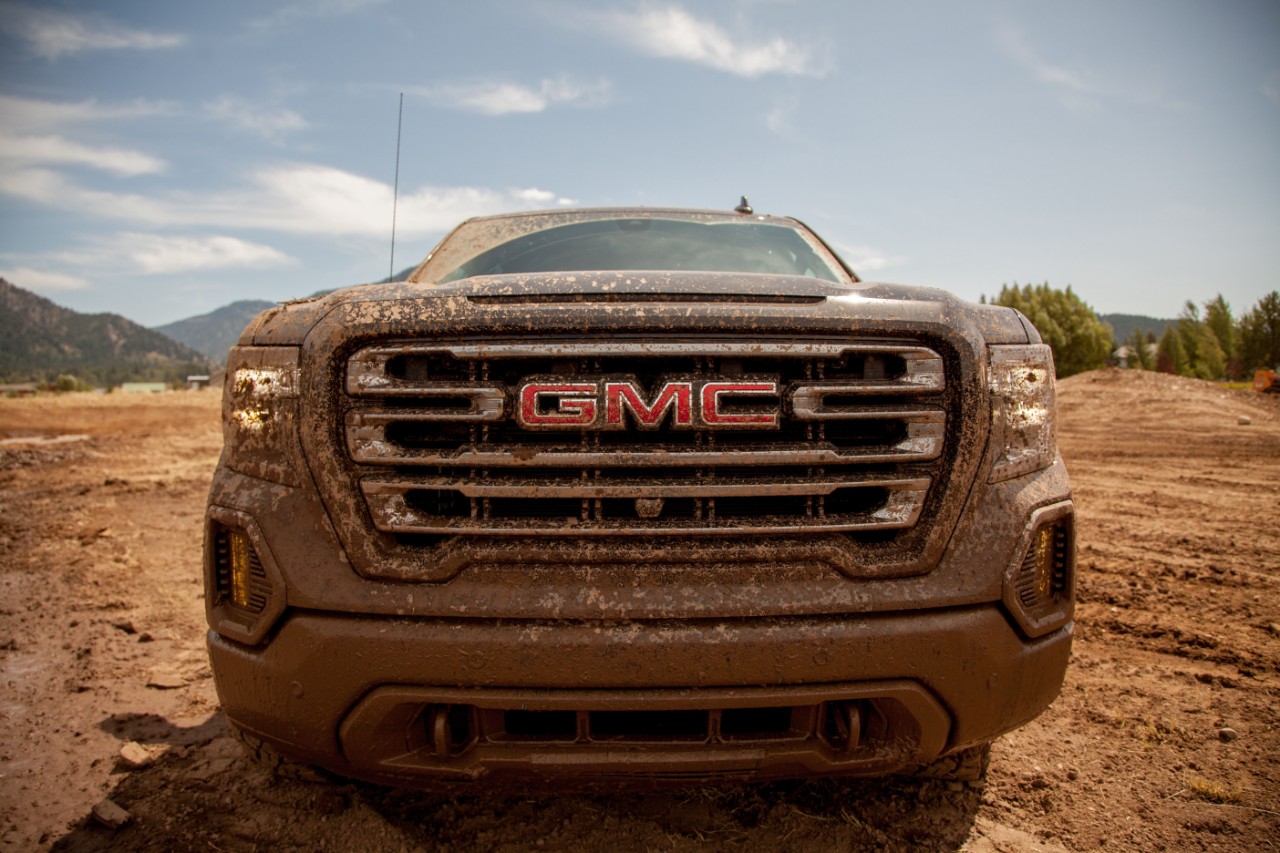
Digital Trends analyzes the two General Motors trucks and finds that with a few notable exceptions, they’re largely the same.
It’s no secret that General Motors spreads its products across multiple brands. That’s been their business model for decades. In the past, certain vehicles would overlap to the point of being nearly indistinguishable. But those cars (and the brands that sold them) are gone. Yes, the Chevrolet Silverado and Chevy Sierra are two different sides of the same coin, but that’s not exactly a bad thing. The redesigned siblings are more competitive than ever.
Recently, Digital Trends analyzed the differences between the two trucks. The results aren’t surprising. When it comes to things like powertrain availability, trim level spread, options, and technology, the Chevy and GMC don’t differ much. That being said, there are a notable features that separate the two trucks.
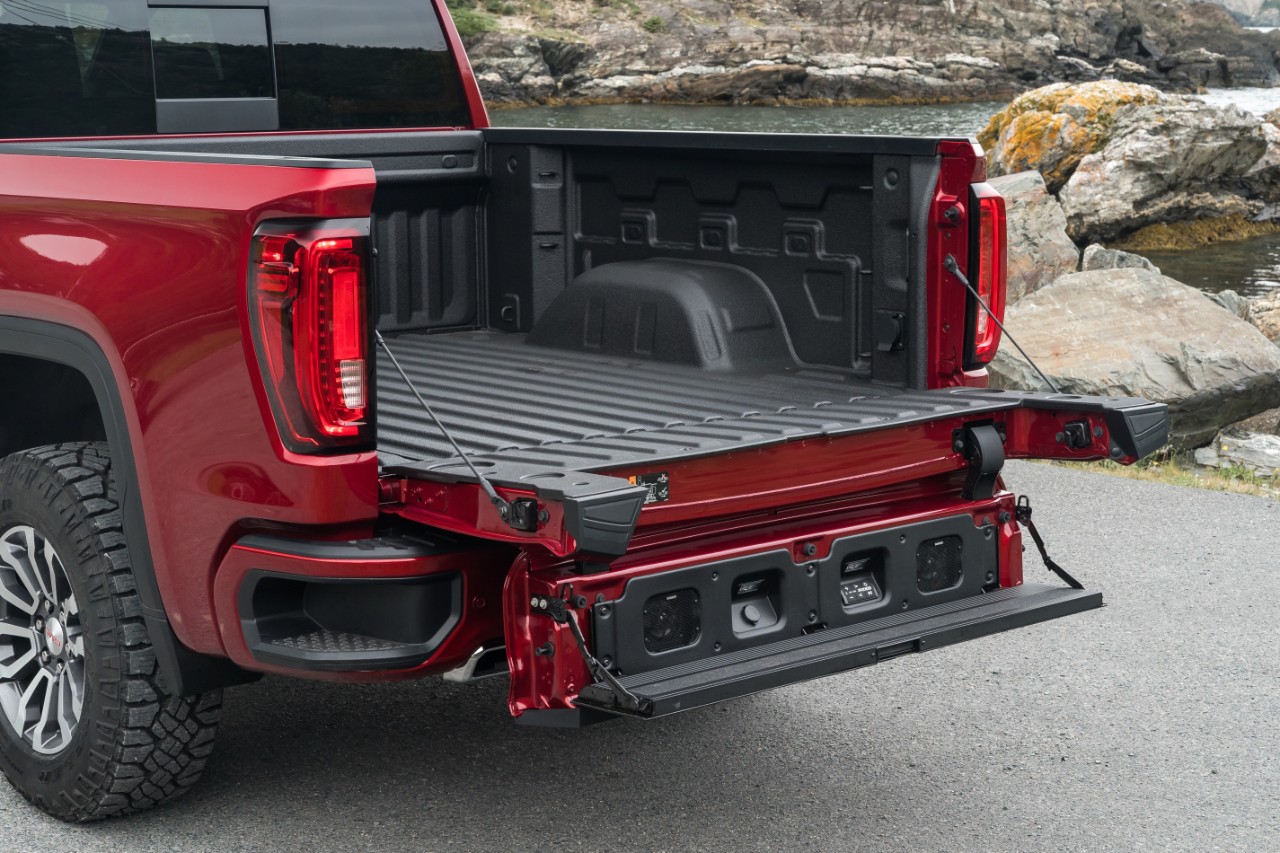
The biggest difference between the two trucks is the MultiPro Tailgate. Only GMC gets it. The tailgate operates in many different ways and allows owners to change its function almost instantly. There’s an integrated bed extender and tailgate step. It can also be folded in half to allow better access to the bed. There’s also an optional MultiPro Sound System available. The dealer installed option is exactly what it sounds like: A stereo system that sits right in the inner tailgate. While the optional audio equipment isn’t a big deal, the MultiPro Tailgate is the most substantial difference between the Chevy and GMC trucks.
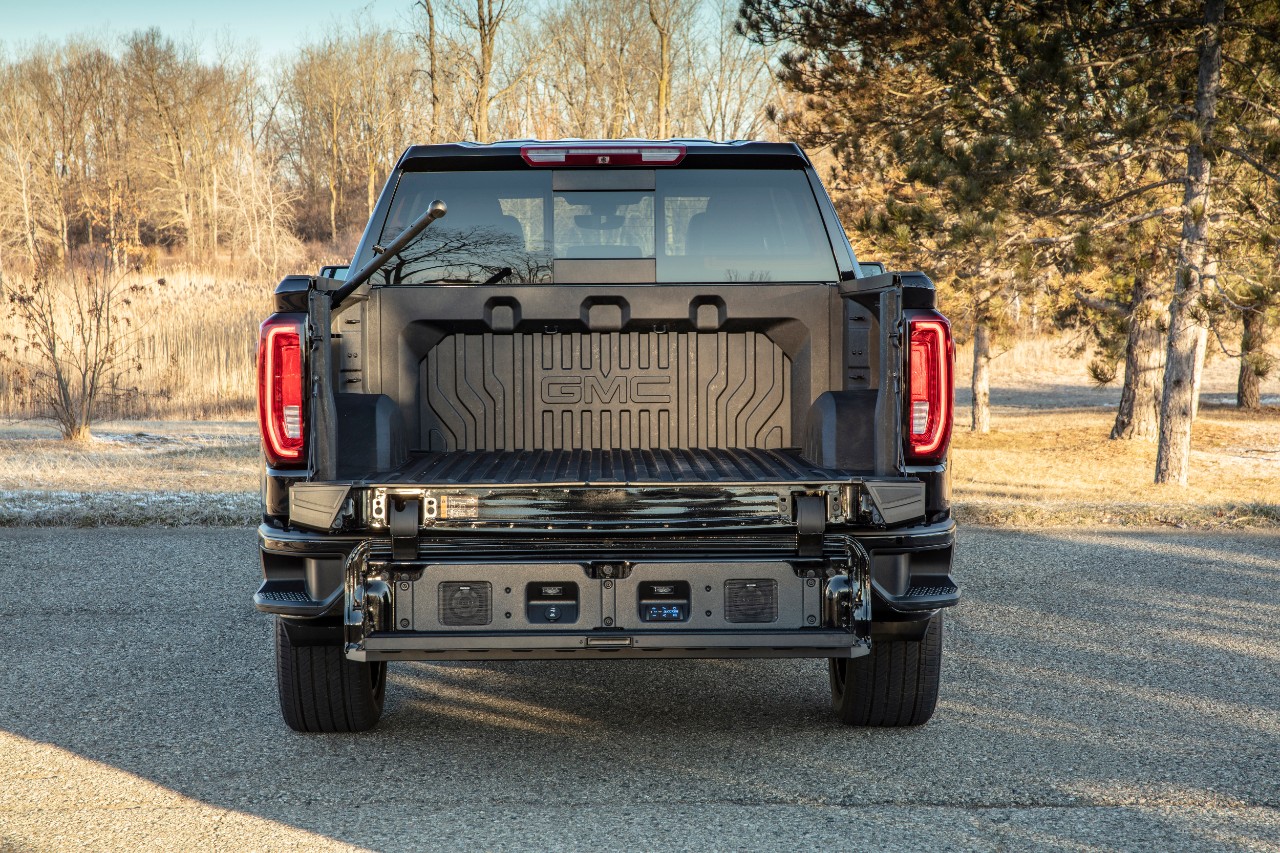
GMC’s CarbonPro bed is the other big difference between the Silverado and Sierra. The carbon fiber bed has several benefits. It’s lighter and stronger than the standard steel bed and it doesn’t require any type of bedliner. Total cargo volume also increases by one cubic-foot. There are more pockets and storage spaces in the carbon fiber bed too. While the bed is useful, it’s currently limited to the AT4 and Denali trims, with the former starting at $66,635. That price keeps the bed out of reach for a lot of customers. Plus, the bed isn’t a big departure from its steel counterpart. By contrast, the MultiPro tailgate presents a clear case for itself due to the increased functionality it offers.
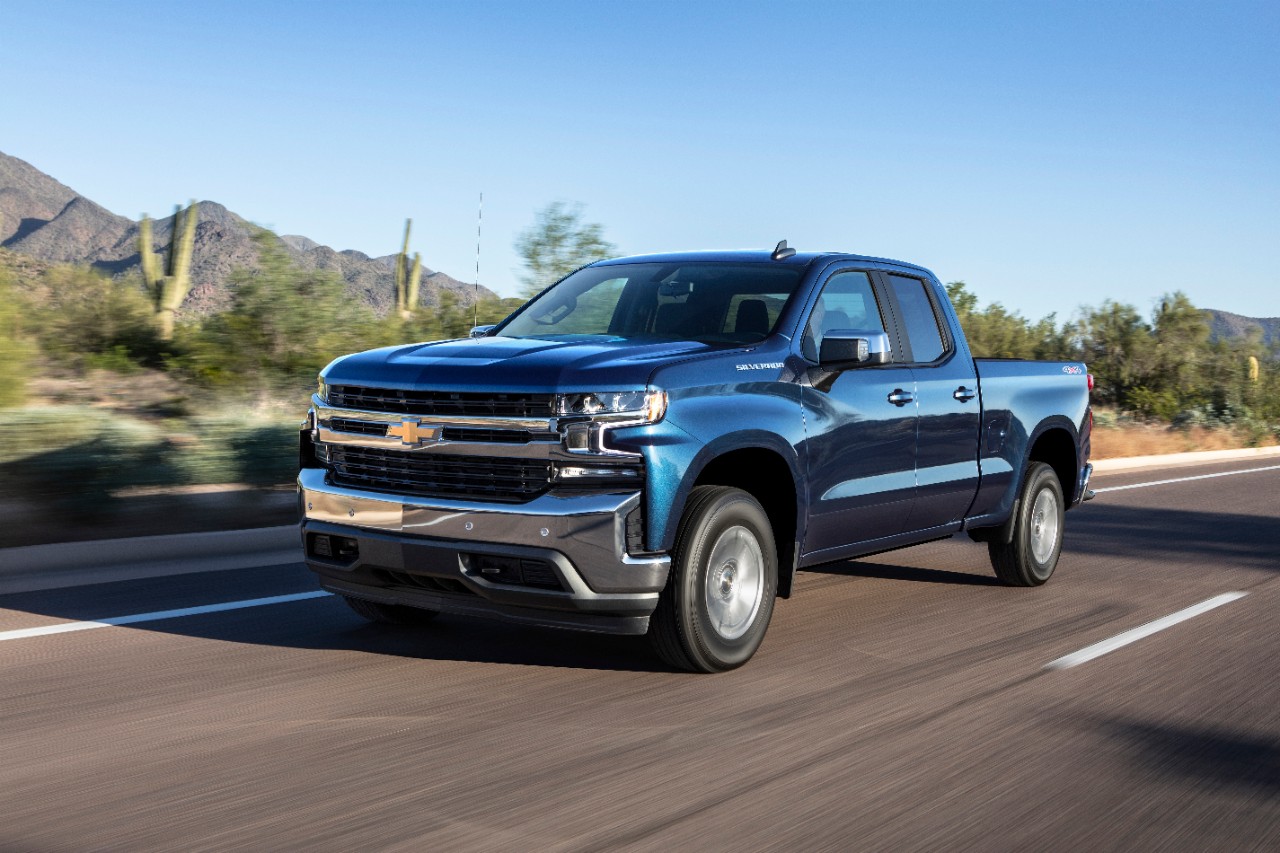
Other than those two differences, the trucks aren’t too far apart in terms of options. Chevy offers the Silverado starting at $29,895 including destination. The Sierra’s least expensive model starts at $31,195, also including destination. Both come standard with GM’s Ecotec3 4.3 liter V6 and two wheel drive. The Silverado is more configurable however, with eight trims levels versus five on the Sierra. Chevy generally tends to be more explicit with its trim level names. Work Truck is obviously meant for fleet use and regular cargo hauling or towing and comes as basic as possible. The Sierra didn’t really offer lifestyle oriented trims until the Denali came along. And now the off-road oriented AT4 has arrived. “In both cases, the lineup ranges from a relatively basic, workhorse-spec truck to a posh cruiser with more upmarket features than a German luxury car” said Ronan Glon, author of the Digital Trends piece.
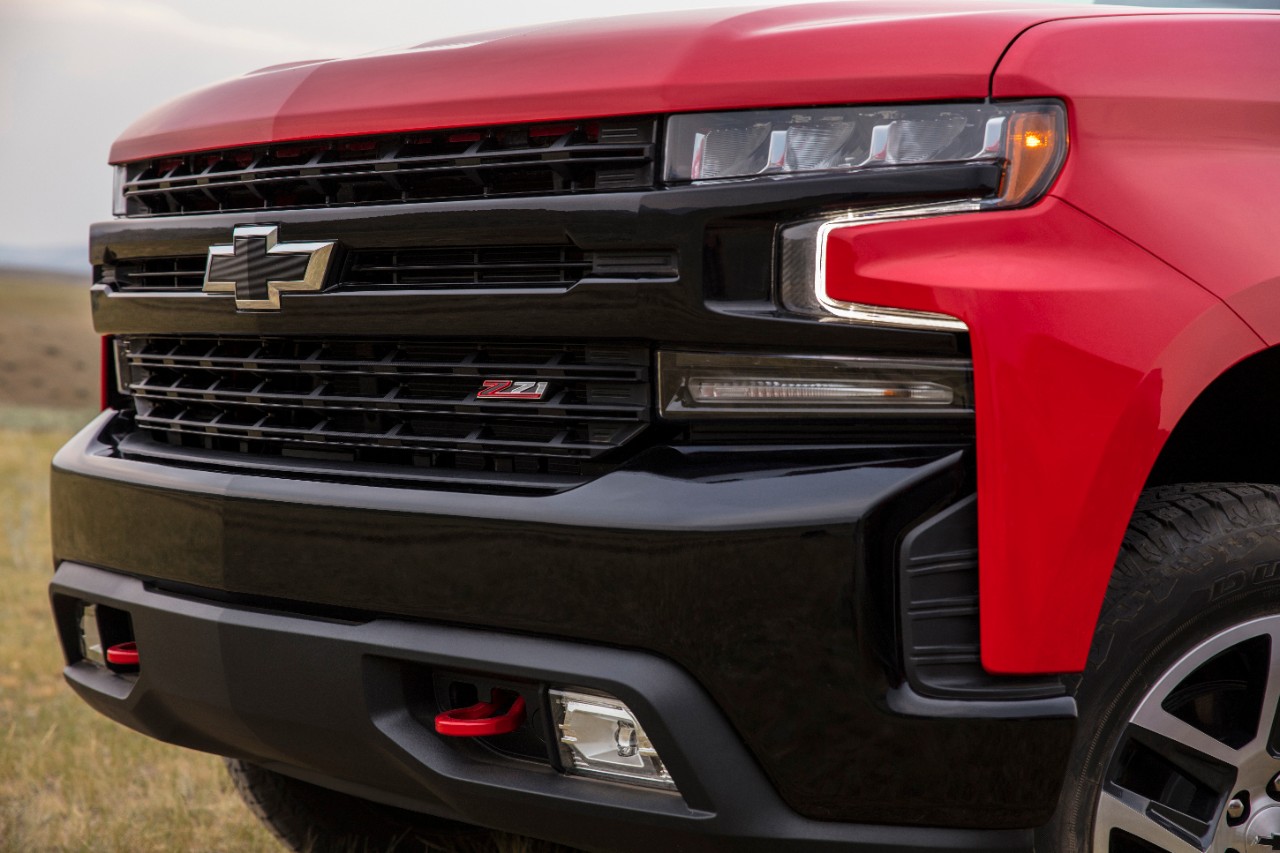
Since loading a truck up to an eye-watering figure is an American tradition, both GM trucks can be equipped with a bevy of different tech options. The optional camera system on either truck has fifteen different views and can be supplemented by additional accessory cameras. Infotainment is similar too, and both have OnStar available. The usual gamut of passive and active safety features are also available on the Chevy and GMC, like lane departure warning, forward automatic braking, front pedestrian braking, and automatic high beams. “If you haven’t driven a pickup truck recently, you’re in for a surprise when you step inside either model” said Glon. “They’re not nearly as basic as they used to be.”
The Sierra can be optioned with some exclusive features. GMC offers a rear camera mirror, which basically replaces the view out of the regular mirror with the view from a camera mounted on the tailgate. Additionally, the Silverado lacks the Sierra’s Adaptive Ride Control. The system is standard on the Denali trim and unavailable on anything else. No Chevy gets any type of adaptive ride capability.
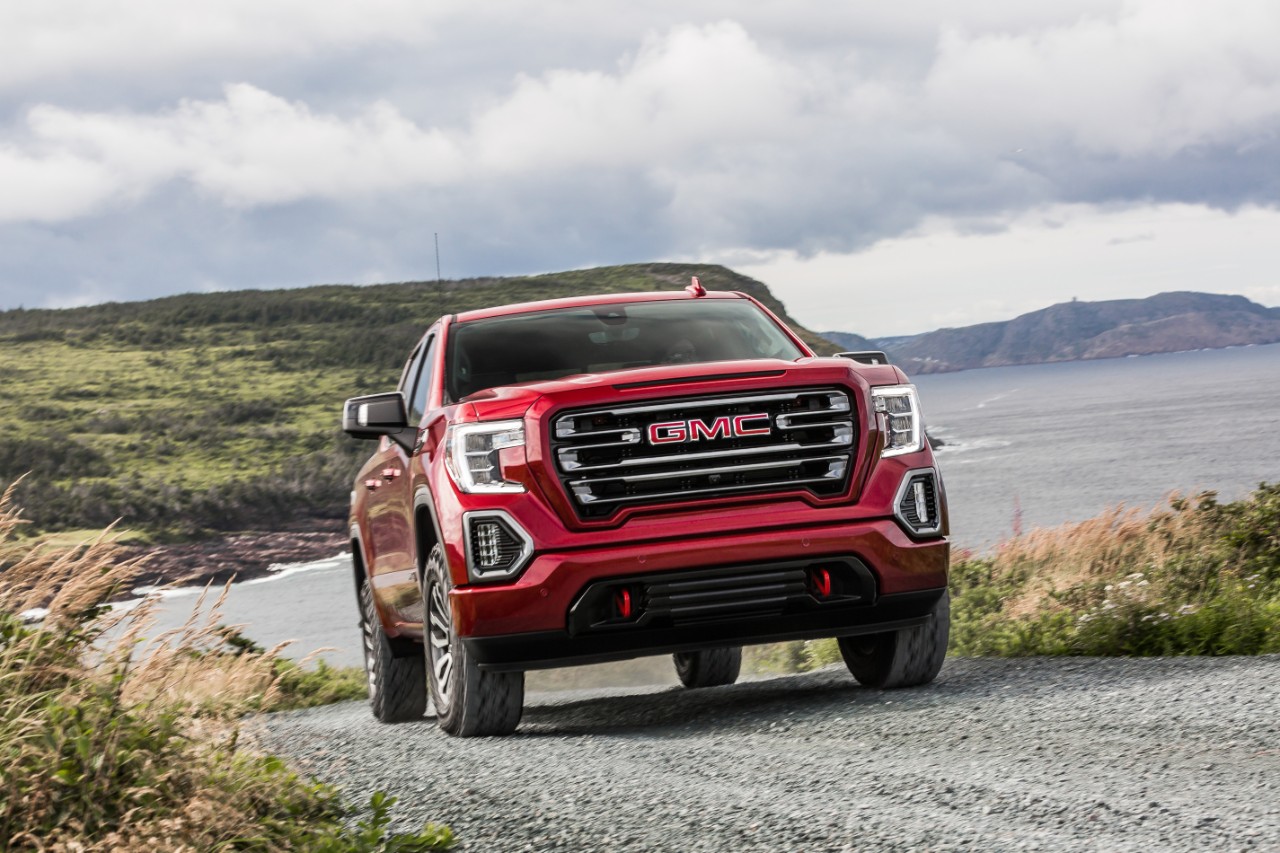
Powertrain choices remain the same for both trucks as well. Aside from the aforementioned 4.3 liter Ecotec3, the Silverado and Sierra can be equipped with five other engines. That includes the 2.7 liter four cylinder and the 3.0 liter Duramax V6. Towing and payload capacity also remain similar.
Overall, most of the differences between the Silverado and Sierra are minor, with a few exceptions. “Don’t let the emblem on the grille fool you. Broadly speaking, the Sierra and the Silverado are essentially the same truck. They’re largely developed by the same people, and they’re both part of the General Motors family. The difference is in the details; Chevrolet’s positions the Silverado as a people’s truck, while GMC aims the Sierra at premium buyers” says Glon.
Perhaps the most important reason to get the Chevy over the GMC is resale value, the difference between the two trucks is meaningful enough to earn the Sierra 3500 the highest resale value in the industry, at least according to J.D. Power. Because GMC positions itself as the upmarket brand, it might be a better idea for buyers to shop for the Chevy despite the lack of major differences. Overall, they’re both great trucks with broad appeal and it’s nice to see some differentiation between the two.
Photos: Chevrolet; GMC