
Getting a Water-damaged Chevy Suburban Back on the Road
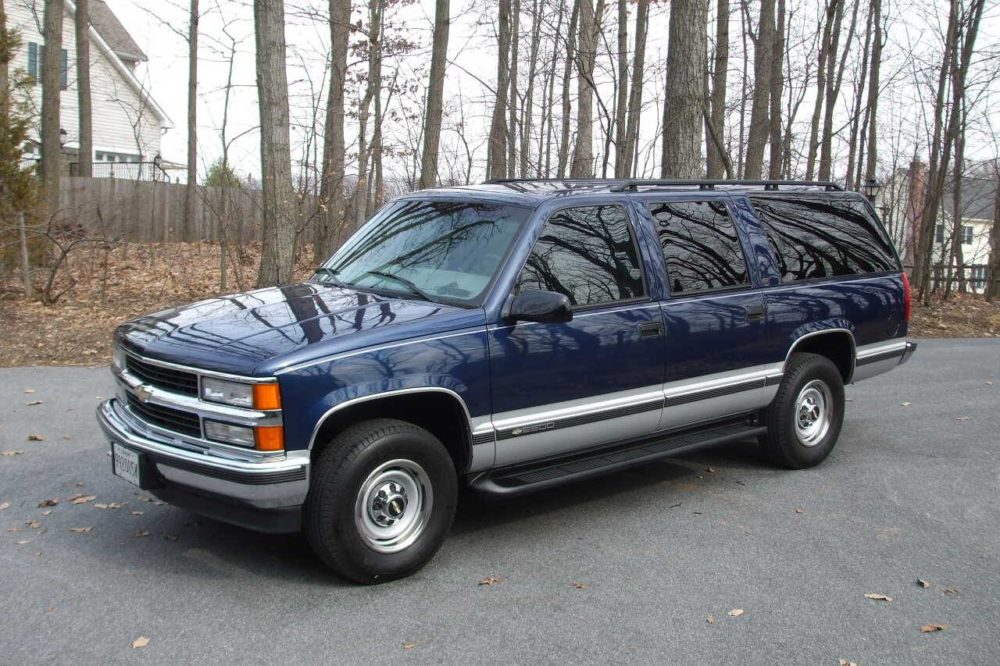
Lately, far too many people have faced the realities of flood damage. And now, this Chevy owner needs your help.
Over the last couple of years, certain parts of the U.S. have been devastated by torrential flooding. The culprits – a number of powerful tropical storms and hurricanes. And countless vehicles and homes were left in shambles following these major weather events.
Undaunted, many victims work hard to get their beloved vehicles dried out and running again. Including Chevrolet Forum member CBassHD, who recently went to the forums seeking advice to get his dad’s water logged Chevy Suburban back on track.
“My dad has a Chevy Suburban. When Hurricane Harvey hit, it got water in it up to the door speakers. A few days ago I cleaned and removed the white mold on the seats, dash, and carpet. The 3rd row and cargo area were dry, but I still cleaned them. It’s been sitting for a year and four months and hasn’t been started. During that time, the battery died. So is it possibly to get it going again?”
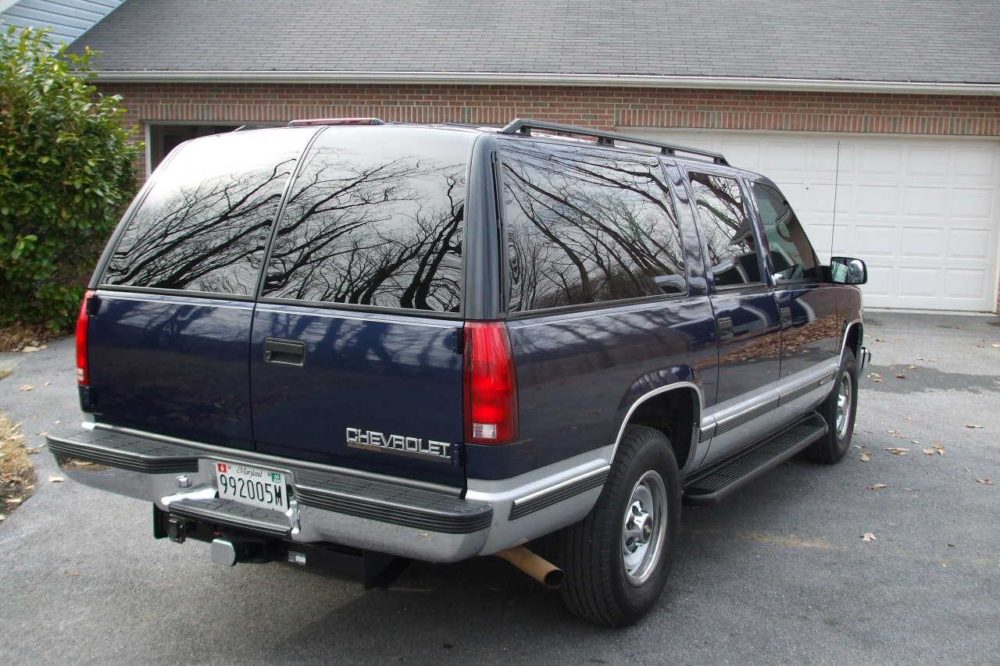
It’s a tough situation, indeed, one that many people have been faced with in recent years. But thankfully, fellow member intheburbs was there to help with some great advice.
“For a vehicle that’s sat for 16 months, I’d be most concerned about the gas in the tank. It’s probably stale. And depending on the fuel level, it might also have some water in it. Ideally, you’d drain the tank and refill with fresh gas. If the tank is mostly empty, you might just want to pour in some fresh gas and hope for the best.
Check and replace the air filter – it probably has a lot of crap/mold in it, too. Regardless of the oil on the dipstick, I’d change the oil. It’s cheap insurance. Depending on my level of OCD that day, I’d probably do two other things. I’d pull the plugs and squirt some oil in each of the combustion chambers to pre-lube the rings. I’d probably pull the fuel injector fuse and crank the engine for several 15-second increments to try to prime the oil pump.
If I wanted it to last a long, long, time, I’d do both. Inspecting each of the plugs probably isn’t a bad idea anyways. If I was less concerned, if it was more of an older/beater truck, I’d just do #2. Check all of your rubber parts – belts, hoses, etc. Make sure nothing is brittle and/or cracked. Check the transmission fluid. Heck, check all fluids – brakes, t-case, power steering, etc.”
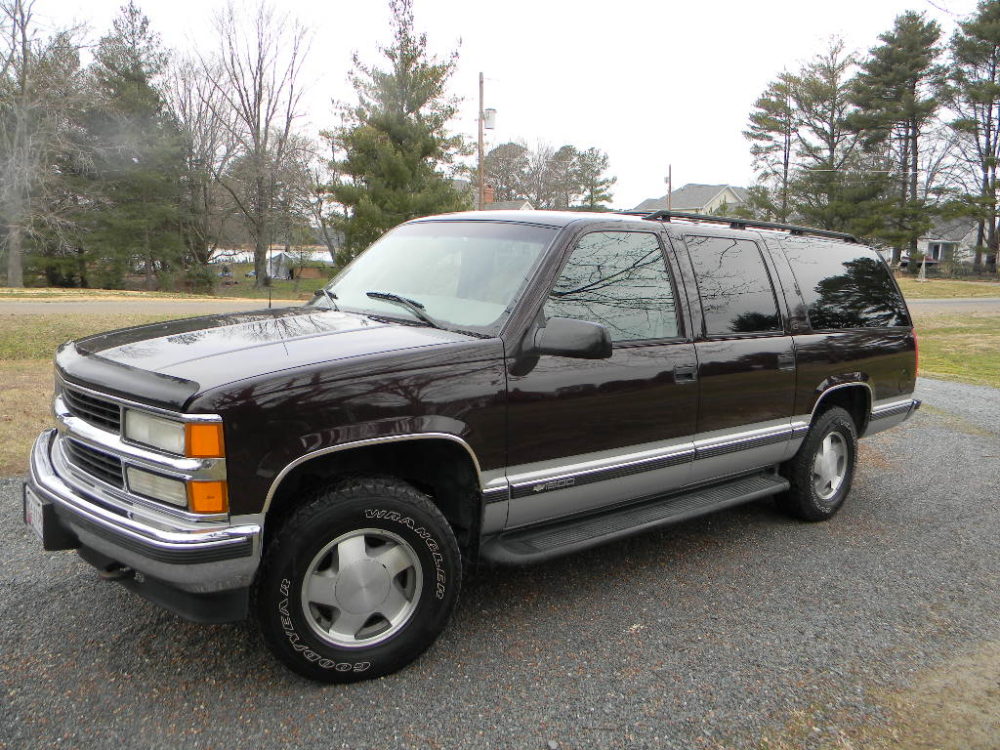
Talk about some comprehensive advice. But is there anything he left out that the OP should check? If so, head over here and add your advice to help out a fellow Chevy owner!
Join the Chevrolet Forums now!
