


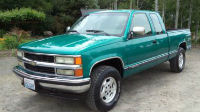
1990 K2500 oil cooler lines


Thread Starter
CF Junior Member
Joined: Aug 2011
Posts: 52
Likes: 0

The part descriptions on rock auto specify with or without HD cooling. Lines 2234 & 2230 are for HD cooling whereas 2285 & 2286 are not.
If you zoom in, there’s an obvious difference in the shape of the radiator end of the lines, so maybe the HD lines are what you need.
FYI, it’s fine if your preference is to have OEM lines, but as a professional mechanic who’s installed dozens of Dorman cooler lines (engine and transmission), I can tell you they fit/work just fine.
If you zoom in, there’s an obvious difference in the shape of the radiator end of the lines, so maybe the HD lines are what you need.
FYI, it’s fine if your preference is to have OEM lines, but as a professional mechanic who’s installed dozens of Dorman cooler lines (engine and transmission), I can tell you they fit/work just fine.
So what is the Dorman numbers for the lines? At this point I am totally confused.

CF Monarch
Joined: Oct 2017
Posts: 4,605
Likes: 269
From: USA

CF Veteran

Joined: May 2011
Posts: 1,578
Likes: 302
From: Central Iowa
Look at the radiator end of the lines and you’ll see they’re shaped differently depending on whether or not they’re HD, as well as the overall length and metal-to-rubber ratios.
https://www.dormanproducts.com/gsear...20350%25205.7L
Thread Starter
CF Junior Member
Joined: Aug 2011
Posts: 52
Likes: 0

Here is a pic of my oil cooler lines. I can not find anything close. For the HD cooler they call for the hose to come out of the passenger side so I assume mine does not have the HD cooler. If mine are leaking where the rubber connects to the metal tubing, could I just cut the metal tubing and install new rubber hose using fuel inj. clamps?
CF Veteran
Joined: May 2011
Posts: 1,578
Likes: 302
From: Central Iowa
Here is a pic of my oil cooler lines. I can not find anything close. For the HD cooler they call for the hose to come out of the passenger side so I assume mine does not have the HD cooler. If mine are leaking where the rubber connects to the metal tubing, could I just cut the metal tubing and install new rubber hose using fuel inj. clamps?
I thought maybe the lines for the 6.2 were a match but they don’t look right either.
Yes, you can replace just the rubber sections of line, but here’s my recommendations for doing so:
1) Wrap the new hose with heat shielding tape/insulation to protect it from the heat off the exhaust/engine.
2) Flare the ends of the metal tubes, and position the clamps within 1/4” of the flare.
3) Use pinch type (also called dog ear) hose clamps instead of FI clamps. Thermal cycling is the #1 reason why screw type clamps loosen up (worm drive or FI) and the proximity to the exhaust is for sure going to cause extreme changes in temperature, especially once the winter season starts.
Thread Starter
CF Junior Member
Joined: Aug 2011
Posts: 52
Likes: 0
It’s entirely possible a PO swapped the original lines for those; or that they were custom made and/or an aftermarket kit.
I thought maybe the lines for the 6.2 were a match but they don’t look right either.
Yes, you can replace just the rubber sections of line, but here’s my recommendations for doing so:
1) Wrap the new hose with heat shielding tape/insulation to protect it from the heat off the exhaust/engine.
2) Flare the ends of the metal tubes, and position the clamps within 1/4” of the flare.
3) Use pinch type (also called dog ear) hose clamps instead of FI clamps. Thermal cycling is the #1 reason why screw type clamps loosen up (worm drive or FI) and the proximity to the exhaust is for sure going to cause extreme changes in temperature, especially once the winter season starts.
I thought maybe the lines for the 6.2 were a match but they don’t look right either.
Yes, you can replace just the rubber sections of line, but here’s my recommendations for doing so:
1) Wrap the new hose with heat shielding tape/insulation to protect it from the heat off the exhaust/engine.
2) Flare the ends of the metal tubes, and position the clamps within 1/4” of the flare.
3) Use pinch type (also called dog ear) hose clamps instead of FI clamps. Thermal cycling is the #1 reason why screw type clamps loosen up (worm drive or FI) and the proximity to the exhaust is for sure going to cause extreme changes in temperature, especially once the winter season starts.
CF Veteran
Joined: May 2011
Posts: 1,578
Likes: 302
From: Central Iowa
I am pretty sure these hoses came from the GM factory. I purchased this truck many years ago from the old gentleman who had bought it new. It only had 38,000 miles on it & I don't think he had done any modifications on it, Could the cooler be blocked off & the lines eliminated or would this cause over heating of the oil to unacceptable levels?
If you do any amount of towing/hauling, especially during hotter seasons, repair/replace the lines or install an aftermarket cooler kit that will have new lines with it.
Thread Starter
CF Junior Member
Joined: Aug 2011
Posts: 52
Likes: 0
It depends on what you’re using the truck for. If it’s just a commuter, it’s unlikely to cause problems.
If you do any amount of towing/hauling, especially during hotter seasons, repair/replace the lines or install an aftermarket cooler kit that will have new lines with it.
If you do any amount of towing/hauling, especially during hotter seasons, repair/replace the lines or install an aftermarket cooler kit that will have new lines with it.
CF Veteran
Joined: May 2011
Posts: 1,578
Likes: 302
From: Central Iowa
Choices are to cut the lines close to the block and connect them with a piece of hose or to remove the oil cooler adapter.
There were several adapter styles for these trucks but generally the mounting bolts are accessible by removing the oil filter. There will be a gasket or o-ring to remove between the adapter and block.
Transfer the oil filter bung to the block, torque to 18-20 ft-lbs, and the filter can be installed directly to the block.
Several videos on YouTube if you search “Chevy 5.7 oil cooler delete”
There were several adapter styles for these trucks but generally the mounting bolts are accessible by removing the oil filter. There will be a gasket or o-ring to remove between the adapter and block.
Transfer the oil filter bung to the block, torque to 18-20 ft-lbs, and the filter can be installed directly to the block.
Several videos on YouTube if you search “Chevy 5.7 oil cooler delete”
Thread Starter
CF Junior Member
Joined: Aug 2011
Posts: 52
Likes: 0
Choices are to cut the lines close to the block and connect them with a piece of hose or to remove the oil cooler adapter.
There were several adapter styles for these trucks but generally the mounting bolts are accessible by removing the oil filter. There will be a gasket or o-ring to remove between the adapter and block.
Transfer the oil filter bung to the block, torque to 18-20 ft-lbs, and the filter can be installed directly to the block.
Several videos on YouTube if you search “Chevy 5.7 oil cooler delete”
There were several adapter styles for these trucks but generally the mounting bolts are accessible by removing the oil filter. There will be a gasket or o-ring to remove between the adapter and block.
Transfer the oil filter bung to the block, torque to 18-20 ft-lbs, and the filter can be installed directly to the block.
Several videos on YouTube if you search “Chevy 5.7 oil cooler delete”

