When you click on links to various merchants on this site and make a purchase, this can result in this site earning a commission. Affiliate programs and affiliations include, but are not limited to, the eBay Partner Network.
Beretta, Corsica, & pre-1995 LuminaAmong this grouping, these three cars, while being similar to each other, offered something for everyone, from a sports coupe to a roomy sedan.
Platform: L-Body
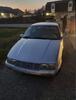
I have a 96 corsica and It keeps throwing a p0441 code. I've replaced some lines, checked the charcoal canister, and the purge valve and everything seems fine. The valve clicks when tested and there are no noticeable leaks. I've done almost everything I can think of.
This code indicates a problem with the PCM detecting flow when the purge valve is commanded open.
The PCM uses a vacuum switch in the purge line to detect flow. When the purge valve is commanded open, the PCM watches for the switch to change states from closed to open - if it doesn’t see the switch change states, or if it sees the switch closing while the purge valve is still commanded open, the code is set.
The switch is calibrated to open at about 0.3 in-Hg of vacuum.
Possible causes are:
1) The vacuum switch is faulty - either the electrical or vacuum side of the switch could be malfunctioning - however it can be diagnosed fairly easily with a meter and a vacuum gauge.
2) The purge valve isn’t opening all the way or isn’t staying open when commanded.
3) A restriction in the purge line, canister, or fresh air inlet for the EVAP system.
This code indicates a problem with the PCM detecting flow when the purge valve is commanded open.
The PCM uses a vacuum switch in the purge line to detect flow. When the purge valve is commanded open, the PCM watches for the switch to change states from closed to open - if it doesn’t see the switch change states, or if it sees the switch closing while the purge valve is still commanded open, the code is set.
The switch is calibrated to open at about 0.3 in-Hg of vacuum.
Possible causes are:
1) The vacuum switch is faulty - either the electrical or vacuum side of the switch could be malfunctioning - however it can be diagnosed fairly easily with a meter and a vacuum gauge.
2) The purge valve isn’t opening all the way or isn’t staying open when commanded.
3) A restriction in the purge line, canister, or fresh air inlet for the EVAP system.
4) Malfunctioning PCM.
What’s your skill level with a meter?
I'm not super skilled with it, however my father is, so I'll get him.
At key on, engine off, expect to see 4.5 - 5.5 volts at the purple wire on the PCM side of the switch (red arrow).
If you can’t access the switch for testing, you can back probe at the PCM (blue arrow). Assuming the switch is closed and all related (upstream) circuitry is in tact, there should still be 4.5 - 5.5 volts.
When the switch opens (0.3 in-Hg vacuum or more), there should be less than 0.5 volts at the red or blue arrow.
I’m having difficulty finding exact information about the location of the switch and whether or not there’s a secondary solenoid to control the switch’s exposure to vacuum. I’m guessing it’s on or near the charcoal canister but I can’t verify that.
You may have to monitor the switch circuit while driving.



 96 corsica p0441