


Inverters, batteries and Solar Panels in Van


Thread Starter
CF Junior Member
Joined: Feb 2015
Posts: 41
Likes: 1
 Inverters, batteries and Solar Panels in Van
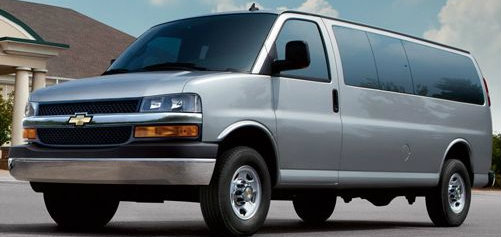
I have all the basic parts to set-up an inverter and solar panels for my Conversion van. My concern is the mounting of the inverter more than 3 feet from the battery. I have been told to not exceed this length even with 1 aught cables. I am considering putting the system in my box trailor that I tow behind on trips. i have room for 2 batteries running to the inverter and room on the roof of the trailer to mount the solar panels. Then I could use a heavy duty extension for any electrical needs in the van while travelling. Would the solar panels be strong enough to recharge and power my needs while travelling or should I tie them into the Van's battery system with a battery isolator? The problem with this part is I would need 20 feet x 2 of battery cable to reach the Van battery from the trailer and it is pretty expensive for that length.

CF Beginner
Joined: Feb 2016
Posts: 8
Likes: 0
I recommend searching the motor home RV forums. They have tons of info on solar installations. I've never heard of the 3 foot concern.

CF Pro Member


Joined: Dec 2019
Posts: 633
Likes: 180
I've got 2x 100W panels, an inverter, battery, and aux battery tray. I'll be doing this sometime but it's been a slow project of gathering things one at a time. The best way is to run a 48V if you have lots of power needs as higher voltage requires much smaller cables. Look up Will Prowess on YouTube and his forum.

CF Beginner
Joined: Jul 2024
Posts: 6
Likes: 0
Trending Topics

CF Active Member
Joined: Jun 2022
Posts: 193
Likes: 88
From: Pensacola FL
I don't have solar but I did just add a battery and alternator charging system to my work van. I installed a smart charger, 100AH battery and a 1,000w pure sine inverter. I added a small 12v fuse panel to run 12v circuits through the back of the van for lights and fans so nothing runs from the start battery. The inverter is mostly for running 20v and 18v battery chargers for my tools. So far it's been working out great. All my tools are battery powered so I'm able to work without any shore power at all. In my case solar wasn't a consideration since I'm driving every day and not using that much power. I can always idle the van to recharge if I have a heavy need one day.
Whether or not the panels will be enough will depend on how much power you need, how long you need it for and how often you need it. If you get a dual input charger you can add alternator charging later if you need it. You can also add a plug in charger to fill the batteries when you're near an outlet. That way you at least start with full power.
Another consideration is how important the power is. Is it a convenience or are you screwed without it? It might be nice knowing you can idle the van and charge the batteries no matter the weather or time of day. You might also save money and complexity to go with an alternator charging system and no solar. If you're driving all day and camping over nite the solar might not be practical over alternator charging.
Unless you're running very sensitive equipment you'll want a common ground system. No need to run a ground wire all the way to the start battery for alternator charging. You could probably ground it to the trailer frame (ground through the hitch) or run it as far as the rear bumper if you don't trust the hitch for ground. You may be underestimating the 20' of cable needed as well. I would run a string from the battery terminal along the path you intend to tuck the wire all the way to the charger location on the trailer. A surprising amount gets eaten up going around all the bends, slack going to the trailer and leaving a little extra on both ends to work on it easily.
Whether or not the panels will be enough will depend on how much power you need, how long you need it for and how often you need it. If you get a dual input charger you can add alternator charging later if you need it. You can also add a plug in charger to fill the batteries when you're near an outlet. That way you at least start with full power.
Another consideration is how important the power is. Is it a convenience or are you screwed without it? It might be nice knowing you can idle the van and charge the batteries no matter the weather or time of day. You might also save money and complexity to go with an alternator charging system and no solar. If you're driving all day and camping over nite the solar might not be practical over alternator charging.
Unless you're running very sensitive equipment you'll want a common ground system. No need to run a ground wire all the way to the start battery for alternator charging. You could probably ground it to the trailer frame (ground through the hitch) or run it as far as the rear bumper if you don't trust the hitch for ground. You may be underestimating the 20' of cable needed as well. I would run a string from the battery terminal along the path you intend to tuck the wire all the way to the charger location on the trailer. A surprising amount gets eaten up going around all the bends, slack going to the trailer and leaving a little extra on both ends to work on it easily.