



repainting a '67 Impala / Caprice


Thread Starter
CF Beginner
Joined: Oct 2011
Posts: 1
Likes: 0
 repainting a '67 Impala / Caprice
Hi fellow Chevy guys!
The last few months I am hunting for a nice '67 Impala or Caprice. I found a few cars I like, but can't decide what to do: buy a perfect one for lots of money or buy a cheaper car that I can adapt to my wishes...
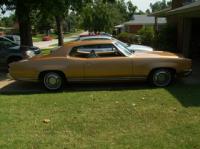
I found a gorgeous Grenada Gold Caprice in very nice condition, but IMO with a price that's too high for this car. It's also at a shop, so with some warranty on it.
I also found a white Caprice with a very nice price tag, but with some work. The car has no rust, so it's a solid base, but has dull paint and chrome. I was thinking about buying this car so I can give it a paint job and choose a color I like. Is this an easy car to paint? I heard that these older Chevy's had some kind of cellulose paint that needs to be removed completely before repainting it?
Are there any things to consider when buying a '67 Carpice or Impala? Any engine options I should avoid? I don't need a big block since I already have a 400+HP Corvette
The last few months I am hunting for a nice '67 Impala or Caprice. I found a few cars I like, but can't decide what to do: buy a perfect one for lots of money or buy a cheaper car that I can adapt to my wishes...
I found a gorgeous Grenada Gold Caprice in very nice condition, but IMO with a price that's too high for this car. It's also at a shop, so with some warranty on it.
I also found a white Caprice with a very nice price tag, but with some work. The car has no rust, so it's a solid base, but has dull paint and chrome. I was thinking about buying this car so I can give it a paint job and choose a color I like. Is this an easy car to paint? I heard that these older Chevy's had some kind of cellulose paint that needs to be removed completely before repainting it?
Are there any things to consider when buying a '67 Carpice or Impala? Any engine options I should avoid? I don't need a big block since I already have a 400+HP Corvette
CF Monarch


Joined: Jul 2011
Posts: 5,920
Likes: 140
From: kevinkpk
Theres no differeance in painting a car that old. You do, however need to take it down to bare metal since it originally had laquer that won't be any kind of compatible to todays paint. The cowl tag will tell you what the original color was, the choice is up to you.

CF Junior Member
Joined: Nov 2008
Posts: 59
Likes: 0
From: Marion, Va
You don't need to remove the old paint unless there is something wrong with it. The sealer used before the new paint is applied is what you need. The dark colors cracked (crows feet) and had to be removed but the lighter colors usually painted over well.
CF Monarch
Joined: Jul 2011
Posts: 5,920
Likes: 140
From: kevinkpk
Well, good luck with that.
CF Junior Member
Joined: Nov 2008
Posts: 59
Likes: 0
From: Marion, Va
I didn it back in the "good old days" with acrylic enamel but my brother does it today in his body shop with the newest basecoat/clearcoat system. If the underlying paint is in good condition, there is no advantage to removing it. The sealer does just what it says. It seals the old finish and the old finish never comes in contact with the new finish. The new finish doesn't care what is under the sealer.

Thread
Thread Starter
Forum
Replies
Last Post
Justin96ss
New Member Welcome Area
2
Jan 30, 2015 4:42 PM
