


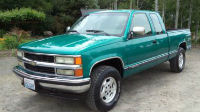
98 k3500 ECM Fuse Blowing


Thread Starter
CF Beginner
Joined: Dec 2020
Posts: 2
Likes: 0
 98 k3500 ECM Fuse Blowing
Hello all this is gonna be a long ride so buckle up. I have a 1998 k3500 Silverado 4x4, and about 5 and a half months ago my engine shut down while I was driving it (luckily it was in the driveway) and since then we have changed out the fuel pump, fuel pump relay, and the ECM Fuse. And since replacing everything any time we try to crank the engine over mind you sometimes the engine even fires up but it immediately shuts off again and blows the ECM Fuse. I'm not sure what could possibly be causing it as I'm not big on working with electronics, but if anyone can possibly give me some options to try i really cannot afford to take it to the shop. Any help would be appreciated! Also guess that wasn't that long of a ride.
CF Monarch


Joined: Jul 2011
Posts: 5,920
Likes: 140
From: kevinkpk
Hello all this is gonna be a long ride so buckle up. I have a 1998 k3500 Silverado 4x4, and about 5 and a half months ago my engine shut down while I was driving it (luckily it was in the driveway) and since then we have changed out the fuel pump, fuel pump relay, and the ECM Fuse. And since replacing everything any time we try to crank the engine over mind you sometimes the engine even fires up but it immediately shuts off again and blows the ECM Fuse. I'm not sure what could possibly be causing it as I'm not big on working with electronics, but if anyone can possibly give me some options to try i really cannot afford to take it to the shop. Any help would be appreciated! Also guess that wasn't that long of a ride.
Thread Starter
CF Beginner
Joined: Dec 2020
Posts: 2
Likes: 0
Little more history as why you replaced the fuel pump etc. You have a short in the circuit. I'd suggest based on "assuming" this happened since you replaced the fuel pump/and relay. If that is the case, unplug the fuel pump connections including the rerelay, see if the fuse blows. If not track it down from there.
CF Monarch
Joined: Jul 2011
Posts: 5,920
Likes: 140
From: kevinkpk
[QUOTE=_Your Worst Nightmare_;457329]we had figured out the fuel pump relay and ECM Fuse were blown and had changed those out and the pump was still not turning on so we replaced the pump and it had started up but one of the fuel lines was spraying gas so we had to replace the fuel line connector and after we replaced the connector the ECM fuse kept blowing and wont start anymore.[/Well, is the fuel pump fuse still blowing with the ECM fuse?
CF Monarch
Joined: Jul 2011
Posts: 5,920
Likes: 140
From: kevinkpk
[QUOTE=_Your Worst Nightmare_;457329]we had figured out the fuel pump relay and ECM Fuse were blown and had changed those out and the pump was still not turning on so we replaced the pump and it had started up but one of the fuel lines was spraying gas so we had to replace the fuel line connector and after we replaced the connector the ECM fuse kept blowing and wont start anymore.[/
Well, is the fuel pump fuse still blowing with the ECM fuse?
Well, is the fuel pump fuse still blowing with the ECM fuse?

CF Veteran
Joined: May 2011
Posts: 1,578
Likes: 302
From: Central Iowa
Hello all this is gonna be a long ride so buckle up. I have a 1998 k3500 Silverado 4x4, and about 5 and a half months ago my engine shut down while I was driving it (luckily it was in the driveway) and since then we have changed out the fuel pump, fuel pump relay, and the ECM Fuse. And since replacing everything any time we try to crank the engine over mind you sometimes the engine even fires up but it immediately shuts off again and blows the ECM Fuse. I'm not sure what could possibly be causing it as I'm not big on working with electronics, but if anyone can possibly give me some options to try i really cannot afford to take it to the shop. Any help would be appreciated! Also guess that wasn't that long of a ride.
Depending on which fuse is blowing will depend on which components you need to check, but you’re most likely looking for a loose/corroded connection. If it’s fuse B, the harness between the under hood fuse block and fuel pump, under the cab, is a problem area for these trucks, particularly if it’s been tapped for accessory power.

CF Senior Member
Joined: Nov 2014
Posts: 465
Likes: 93
As you know, a fuse blows when the current amount it is allowed to pass gets exceeded.
After you determine what that fuse supplies power to you can connect a load like a headlight lamp or test light across the fuse contacts in the panel and you will have a visual indication of when the short is eliminated when the light goes out. You will need to move wires away from sharp areas and move harnesses each time watching if the light goes out. If you do not watch every move you will never know where the problem was and , they always return !
After you determine what that fuse supplies power to you can connect a load like a headlight lamp or test light across the fuse contacts in the panel and you will have a visual indication of when the short is eliminated when the light goes out. You will need to move wires away from sharp areas and move harnesses each time watching if the light goes out. If you do not watch every move you will never know where the problem was and , they always return !

Thread
Thread Starter
Forum
Replies
Last Post