


Chevy brake pedal is stiff when truck is off but goes to floor while truck is running


Thread Starter
CF Beginner
Joined: Jul 2023
Posts: 4
Likes: 1
 Chevy brake pedal is stiff when truck is off but goes to floor while truck is running
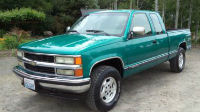
Ive been having trouble with my 97 chevy 3500 brakes disc in the front drums in the back. I can get a pretty stiff pedal after bleeding the brakes but as soon as i start the truck they go to the floor with a little resistance. So far i have replaced the rear wheel cylinders, master cylinder, and i did an abs delete because i found my abs module was sucking air. I have also checked for leaks and have found none. I cant seem to figure out whats wrong with them any help is appreciated.

CF Veteran

Joined: May 2011
Posts: 1,578
Likes: 302
From: Central Iowa
This is a common problem with these trucks. Here’s a link to a post that details how to bleed them properly….
https://chevroletforum.com/forum/198...ickups-111386/
https://chevroletforum.com/forum/198...ickups-111386/


CF Beginner
Joined: Jun 2023
Posts: 18
Likes: 4
@Gumby22 I read your great post, but I am having the same problem on an '04 3500. Just redid the pads and rotors and figured I must've got air in the system when pushing the calipers in. Did a turkey baster "flush" of the master cylinder before a brake bleed, and now I'm getting a firm (maybe not perfect?) pedal with the system off, but it goes to the floor once the engine is on. I recall the pedal going too far down before I did all this work, but now I'm not sure if it's worse or just more noticeable because I'm focused on it. I can't find any leaks anywhere, and my RV is newer than the systems in your post. Is there a chance it's my brake booster or ABS system? That's way out of my wheelhouse, but if it's doable by the home mechanic I can try it.
CF Veteran
Joined: May 2011
Posts: 1,578
Likes: 302
From: Central Iowa
Having a stiff pedal engine off and a soft/low pedal engine running indicates the booster is working properly; and if you’re not feeling pedal pulsations or hearing the ABS pump motor engage when applying the brake, it’s unlikely the booster or ABS is at fault.
It’s also unlikely air was introduced into the system when depressing the calipers unless there was excessive corrosion build up on the pistons and the seals were damaged - however, if that were the case, I’d expect to see brake fluid leaking from the calipers.
When depressing the calipers, did you have the cap on the master cylinder removed? If not, one of the MC piston seals could’ve been damaged.
Inspect for proper MC operation by removing the cap and watch for air bubbles as a helper taps on the brake pedal and immediately releases it. You want just enough pedal movement to jolt the pistons in the MC. If even one of the MC seals is functional, you should still see a couple of bubbles rise to the top of the fluid in the reservoir each time the pedal is tapped.
Reasons (other than air) for a soft/low pedal -
-Faulty MC (check as described above)
-Drum brakes excessively worn/out of adjustment (if equipped). My personal method of adjustment is to tighten them up until the wheel can’t be turned, then back off the adjuster wheel one full turn.
-One of the caliper guide pins is seized but the other is moving (Or could be more than one caliper with the same issue). If equipped with dual piston calipers, one piston can seize while the other moves.
To check for this, Remove the wheel and observe caliper pin and piston movement while a helper pumps the pedal. Each piston and guide pin should extend when the pedal is pressed and retract slightly when the pedal is released.
-One or more of the rubber hoses is worn out and ballooning with system pressure. Observe hoses while a helper pumps the pedal.
If you don’t see any of the above conditions, one way to isolate the problem is to pinch off the rubber hoses one at a time and check pedal feel. If, for example, you pinch off the rear brake hose and pedal feel improves, the problem is isolated to the rear brakes.
Just be cautious when doing this - if the hoses are old enough, pinching them can cause them to collapse. Use something with a rounded jaw - or wrap the hose with something to protect it if using vise grips.
It’s also unlikely air was introduced into the system when depressing the calipers unless there was excessive corrosion build up on the pistons and the seals were damaged - however, if that were the case, I’d expect to see brake fluid leaking from the calipers.
When depressing the calipers, did you have the cap on the master cylinder removed? If not, one of the MC piston seals could’ve been damaged.
Inspect for proper MC operation by removing the cap and watch for air bubbles as a helper taps on the brake pedal and immediately releases it. You want just enough pedal movement to jolt the pistons in the MC. If even one of the MC seals is functional, you should still see a couple of bubbles rise to the top of the fluid in the reservoir each time the pedal is tapped.
Reasons (other than air) for a soft/low pedal -
-Faulty MC (check as described above)
-Drum brakes excessively worn/out of adjustment (if equipped). My personal method of adjustment is to tighten them up until the wheel can’t be turned, then back off the adjuster wheel one full turn.
-One of the caliper guide pins is seized but the other is moving (Or could be more than one caliper with the same issue). If equipped with dual piston calipers, one piston can seize while the other moves.
To check for this, Remove the wheel and observe caliper pin and piston movement while a helper pumps the pedal. Each piston and guide pin should extend when the pedal is pressed and retract slightly when the pedal is released.
-One or more of the rubber hoses is worn out and ballooning with system pressure. Observe hoses while a helper pumps the pedal.
If you don’t see any of the above conditions, one way to isolate the problem is to pinch off the rubber hoses one at a time and check pedal feel. If, for example, you pinch off the rear brake hose and pedal feel improves, the problem is isolated to the rear brakes.
Just be cautious when doing this - if the hoses are old enough, pinching them can cause them to collapse. Use something with a rounded jaw - or wrap the hose with something to protect it if using vise grips.
@Gumby22 I read your great post, but I am having the same problem on an '04 3500. Just redid the pads and rotors and figured I must've got air in the system when pushing the calipers in. Did a turkey baster "flush" of the master cylinder before a brake bleed, and now I'm getting a firm (maybe not perfect?) pedal with the system off, but it goes to the floor once the engine is on. I recall the pedal going too far down before I did all this work, but now I'm not sure if it's worse or just more noticeable because I'm focused on it. I can't find any leaks anywhere, and my RV is newer than the systems in your post. Is there a chance it's my brake booster or ABS system? That's way out of my wheelhouse, but if it's doable by the home mechanic I can try it.
CF Beginner
Joined: Jun 2023
Posts: 18
Likes: 4
This is great, thanks. I did NOT take the cap off the master cylinder when depressing the pistons in the calipers - just used a c clamp and the old pads to do so. So maybe the seals are bad. I'll look at the troubleshooting stuff for the master cylinder first, then try the remaining options. A lot of parts of this RV haven't been serviced...ever, so there's quite a bit of things to look into. I'll let you know what I find. Thanks!
CF Veteran
Joined: May 2011
Posts: 1,578
Likes: 302
From: Central Iowa
This is great, thanks. I did NOT take the cap off the master cylinder when depressing the pistons in the calipers - just used a c clamp and the old pads to do so. So maybe the seals are bad. I'll look at the troubleshooting stuff for the master cylinder first, then try the remaining options. A lot of parts of this RV haven't been serviced...ever, so there's quite a bit of things to look into. I'll let you know what I find. Thanks!
The cap is designed to allow atmospheric pressure between the cap and the diaphragm to allow for changes in fluid level (that’s why they’re often bulged out when the cap is removed) but the diaphragm is supposed to keep the system completely sealed to prevent moisture contamination from the air.
When retracting the pistons, the pressure has to go somewhere, so if the cap isn’t removed, it will find another path.
To be clear, not removing the cap doesn’t always mean the MC will be damaged - I’ve made the same mistake before and gotten lucky - but if the MC on your RV is factory, I wouldn’t be surprised if it was damaged.

Thread
Thread Starter
Forum
Replies
Last Post
Mattpeterson01
1988 - 1998 (GMT400)
5
Jul 18, 2019 5:31 PM

