


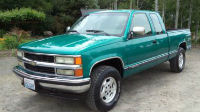
How-where to test fuel pump-press on 89 Cheyenne 350


Thread Starter
CF Beginner
Joined: Sep 2021
Posts: 19
Likes: 0
 How-where to test fuel pump-press on 89 Cheyenne 350
My '89 350 Cheyenne is bogging down and sluggish when starting in first gear. It is jerky and erratic after sitting up for 3 mos. I used to hear a little buzz from fuel pump(I think) when I turned the key on....now I don't hear anything but it does start and has a reeve up and slow down cycle when idling. Up and down. Then when I take off it feels like it will barely go . When up to speed it is jerky. Could it be my fuel pump? What is most likely and how do I go about figuring it out? Thank for anyone with ideas!!!!!!!! It's my work truck!!

CF Veteran

Joined: May 2011
Posts: 1,578
Likes: 302
From: Central Iowa

There’s a number of possibilities - first thought is IAC and TPS; however if it’s been sitting for a few months, start by checking for nests from mice or other rodents. The ECM is behind the glove box and they love nesting in that area.
You can also try checking for codes even if the CEL isn’t on.
To test fuel pressure you need an adapter for the gauge (linked below) - you can tap into the line at the filter on the rail or at the throttle body, but you have to remove the line brackets first if you want to read it at the TB.
Spec is 10-14 PSI with the key on, engine off. It should hold for at least 5 minutes - immediate or quick loss indicates fuel pump check valve or pressure regulator.
Edit: I realized I forgot to link the adapter you need
Fuel Line adapter
You can also try checking for codes even if the CEL isn’t on.
To test fuel pressure you need an adapter for the gauge (linked below) - you can tap into the line at the filter on the rail or at the throttle body, but you have to remove the line brackets first if you want to read it at the TB.
Spec is 10-14 PSI with the key on, engine off. It should hold for at least 5 minutes - immediate or quick loss indicates fuel pump check valve or pressure regulator.
Edit: I realized I forgot to link the adapter you need
Fuel Line adapter
Last edited by Gumby22; Oct 1, 2021 at 8:23 PM.
CF Veteran
Joined: May 2011
Posts: 1,578
Likes: 302
From: Central Iowa
If you can imagine an oversized [original] Nintendo cartridge made of sheet metal, that’s kind of what it looks like; and has 2 rectangular connectors plugged into it.
It’s to the right once you remove the glove compartment.
When rodents nest in that area they tend to chew on the wiring and it often causes short circuits. Usually the wiring can just be repaired and you’re good to go but once in a while it can damage the ECM.
If you find damaged wires, disconnect the negative battery cable before repairing.
It’s to the right once you remove the glove compartment.
When rodents nest in that area they tend to chew on the wiring and it often causes short circuits. Usually the wiring can just be repaired and you’re good to go but once in a while it can damage the ECM.
If you find damaged wires, disconnect the negative battery cable before repairing.
Thread Starter
CF Beginner
Joined: Sep 2021
Posts: 19
Likes: 0
If you can imagine an oversized [original] Nintendo cartridge made of sheet metal, that’s kind of what it looks like; and has 2 rectangular connectors plugged into it.
It’s to the right once you remove the glove compartment.
When rodents nest in that area they tend to chew on the wiring and it often causes short circuits. Usually the wiring can just be repaired and you’re good to go but once in a while it can damage the ECM.
If you find damaged wires, disconnect the negative battery cable before repairing.
It’s to the right once you remove the glove compartment.
When rodents nest in that area they tend to chew on the wiring and it often causes short circuits. Usually the wiring can just be repaired and you’re good to go but once in a while it can damage the ECM.
If you find damaged wires, disconnect the negative battery cable before repairing.

I'm here for the party


Joined: Feb 2019
Posts: 1,467
Likes: 83
From: Maryland
is it smoking any? what happens when you easy into it? these trucks are very finicky about grounds so that would be first step is to take off all the grounds on the battery, body and engine and clean them. your problem could be anything from a bad coolant sensor to a broken fuel line in the tank
CF Veteran
Joined: May 2011
Posts: 1,578
Likes: 302
From: Central Iowa
The first easiest check is to inspect the lines between the tank and engine for leaks or kinks/restrictions. A leak is usually obvious by the smell of gas but smaller leaks (or leaks under caked dirt) can sometimes prevent enough fuel from leaking that the smell is notable.
Then remove the filter and see if a bunch of dirt/crud when you dump it out. Even if it’s clean, install a new filter if it’s more than a year old. This is a good opportunity to install the gauge adapter.
A helper is useful for cycling the key or jumping the pump relay for pressure testing.
If it doesn’t hold pressure, pinch off the return line (smaller diameter than supply) at the flex section where the lines cross from the frame to the engine (just under driver floor) and check it again.
If it holds, the fuel pressure regulator is bad.
If it doesn’t hold, there’s a leak or the fuel pump check valve is bad.
If it’s holding but low, the pump is likely dying - can also be checked by a fuel pump current draw test - anything more than about 10 amps is reason to suspect the pump.