When you click on links to various merchants on this site and make a purchase, this can result in this site earning a commission. Affiliate programs and affiliations include, but are not limited to, the eBay Partner Network.
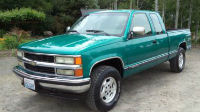
My 1993 C3500 rides, well, "like a truck". It is to be expected, but surprisingly rough when empty.
It is used as a fifth-wheel heavy hauler. But I want to tame the beast when empty. So I have purchased helper air bags with the correct load rating, and want to remove one or more of the leaf springs.
The question is, which ones to remove (or cut short). The top one can stay because it only comes into play as an overload spring (last resort). The bottom one is the thickest and could be removed by leaving a piece of it as a spacer. Others could be the same way.
Here are some pictures.
Last edited by FifthWheelPuller; May 18, 2023 at 9:31 AM.
FYI, I was able to use a cut-off wheel on my grinder and cut the lower leaf spring off within an inch or so of the U-bolts and the bundle of springs. This left the remaining piece as a spacer so that the stack did not need to be disassembled. That alone saved a lot of time, especially because of the locating pin in the base of the bundle and the rear end housing. No need to mess around with something if it is not necessary.
The ride instantly improved by removing the hard bang when hitting bumps in the road. When I install the air ride bags at low pressure and add the new bed to the frame, it should ride very good indeed.
Probably a good idea. However, the alignment will not be rechecked until after the air bags are installed, the new deck bed is built and new tool boxes built under it. There is also a large aux fuel tank that goes back on, as well as the fifth-wheel hitch. So the stance of the truck may change a little more. Oh, and the missing spare tire and air compressor will be added as permanent fixtures as well.
Good plan. The key to getting alignment correct is making sure the vehicle is loaded like it would be (including a full fuel tank[s]) during expected use.
If it’s loaded with more or less weight, it could potentially offset the caster, which would then affect the overall alignment.




 Suspension Mod