


Ever lose MPG after putting on new tires?

Super Moderator
Joined: Jul 2011
Posts: 1,545
Likes: 1
From: Houston TX. USA
 LRR (Low Roiling Resistance) Tires
Actually, these guys have been around quite a while, except the Manufacturers called them Hi-Mileage until the "Eco" trend came along. The increased Fuel economy experienced from those, was accomplished by increasing the "Shore Hardness" of the rubber. This was typically done on larger tires, for Tractor-Trailer use, but, many Manufacturers had them available for standard Passenger Car applications.
On all Passenger Car Tires, one only has to wait a year or two, to experience an increase in Fuel Mileage, because as the Tire increases in age, the suppleness of the rubber diminishes (hardens to a point) which reduces the rolling resistance naturally. But in either case, Intentionally Purchased", or, "Allowed to occur", the best one can experience is about a 5-15% change. For someone driving tens of thousands of miles per year, can realize a substantial cost reduction in Fuel at today's prices.
However, there's a tradeoff...
Anytime you harden the rubber on any Tire, you reduce the Traction/Friction Coefficient from a little to a lot. That's why we buy Slicks for our Quarter Milers. That supple rubber causes a vast difference in the ability of a Tire to grip, and the softer it is, the quicker it wears, but traction is increased considerably.
To make a long story a little shorter here...
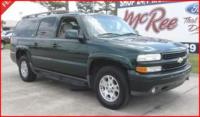
I am not convinced that using LRR's would be the best choice for me. Or at least not for a while, until Manufacturers get a better handle on how to arrange the composition of the rubber, in conjunction with Tread Patterns, where I can count on those things stopping my Tank (Burb) under the most stressful conditions.
IMHO they just aren't there yet.
On all Passenger Car Tires, one only has to wait a year or two, to experience an increase in Fuel Mileage, because as the Tire increases in age, the suppleness of the rubber diminishes (hardens to a point) which reduces the rolling resistance naturally. But in either case, Intentionally Purchased", or, "Allowed to occur", the best one can experience is about a 5-15% change. For someone driving tens of thousands of miles per year, can realize a substantial cost reduction in Fuel at today's prices.
However, there's a tradeoff...
Anytime you harden the rubber on any Tire, you reduce the Traction/Friction Coefficient from a little to a lot. That's why we buy Slicks for our Quarter Milers. That supple rubber causes a vast difference in the ability of a Tire to grip, and the softer it is, the quicker it wears, but traction is increased considerably.
To make a long story a little shorter here...
I am not convinced that using LRR's would be the best choice for me. Or at least not for a while, until Manufacturers get a better handle on how to arrange the composition of the rubber, in conjunction with Tread Patterns, where I can count on those things stopping my Tank (Burb) under the most stressful conditions.
IMHO they just aren't there yet.
Last edited by SWHouston; Dec 20, 2011 at 1:36 AM.


Thread Starter
CF Junior Member
Joined: Mar 2011
Posts: 38
Likes: 0
From: Muskegon, MI 49445
Tires are exactly the same size as the OEM set. Nothing different.
I am happy to report that it looks like my mpg might be coming back up some already. I had to make two trips for holiday gatherings this weekend, around 60 miles roundtrip each. This morning when I came in to work (my normal commute is only 22 miles roundtrip) I am just a tick over a half tank and have driven 230 miles. I realize that some of my extra mpg are from driving the longer trips but I believe I am still doing better. Only time will tell.
I am happy to report that it looks like my mpg might be coming back up some already. I had to make two trips for holiday gatherings this weekend, around 60 miles roundtrip each. This morning when I came in to work (my normal commute is only 22 miles roundtrip) I am just a tick over a half tank and have driven 230 miles. I realize that some of my extra mpg are from driving the longer trips but I believe I am still doing better. Only time will tell.

Thread
Thread Starter
Forum
Replies
Last Post
ed1le
Silverado, Sierra & Fullsize Pick-ups
2
Apr 17, 2010 7:41 AM


